Backpack transmitters carried live 4K from the track, pit lane, and grid across three days of racing at the FIA TCR World Tour’s first stop in southwest China...

TVU One and Starlink Keep LPGA Coverage Live Through Rain at BMW Ladies Championship
Two backpack-mounted units bonded Starlink with local cellular networks to carry drone and on-course feeds from the tournament’s rain-hit seaside venue
View Related ProductsHAENAM, South Korea — October 30, 2026 — TVU Networks today announced that two TVU One mobile transmitters, each bonding Starlink satellite connectivity with local cellular networks, delivered live drone and on-course feeds from the 2026 BMW Ladies Championship despite rain and fluctuating network conditions at the tournament’s remote coastal venue. It was the second time TVU One has supported live coverage of the event, following 2023.
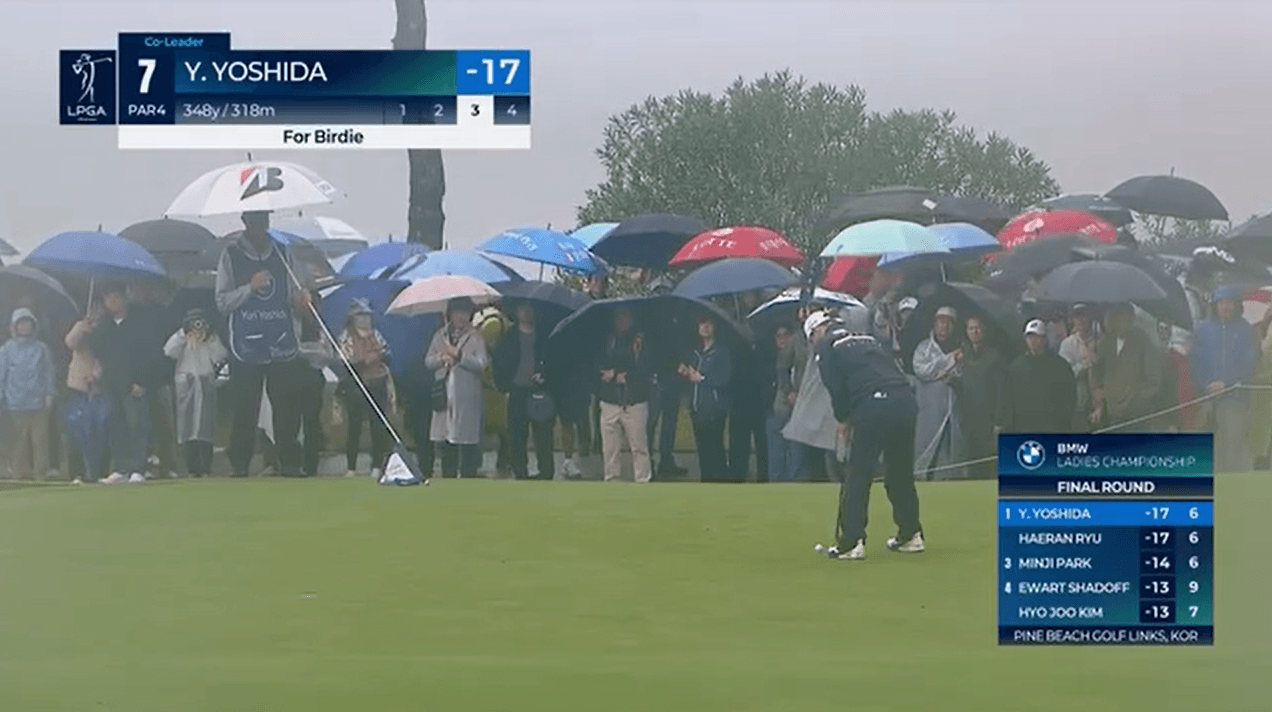
Held October 22–25 at Pine Beach Golf Links in Haenam County, South Jeolla Province, the BMW Ladies Championship is the LPGA Tour’s only stop in South Korea. The 84-player field, which included 15 KLPGA members, competed for a $2.35 million purse. Japan’s Yuri Yoshida won at 17-under-par 271, one stroke ahead of the runners-up, and about 40,000 spectators attended over the four days.
The setting made reliable transmission difficult. Pine Beach sits on the coast near the southwestern tip of the Korean Peninsula, about 330 km (205 miles) south of Seoul, where cellular capacity is limited even before crowds arrive. When the galleries filled in, load on the local mobile network rose and available bandwidth became less predictable. Equipment also had to keep working through rain, cameras had to follow groups from hole to hole, and player interviews were often arranged at short notice beside the green or in the scoring area.
“Golf is one of the hardest sports to produce live,” said Johnny Ha, Sales Director, Korea, at TVU Networks. “You’re covering an enormous footprint, the cameras are constantly on the move, and at a venue like this the cell network gets squeezed as soon as the galleries fill in. Adding Starlink to the bond gave the crew the extra capacity they needed at exactly the moments it mattered.”
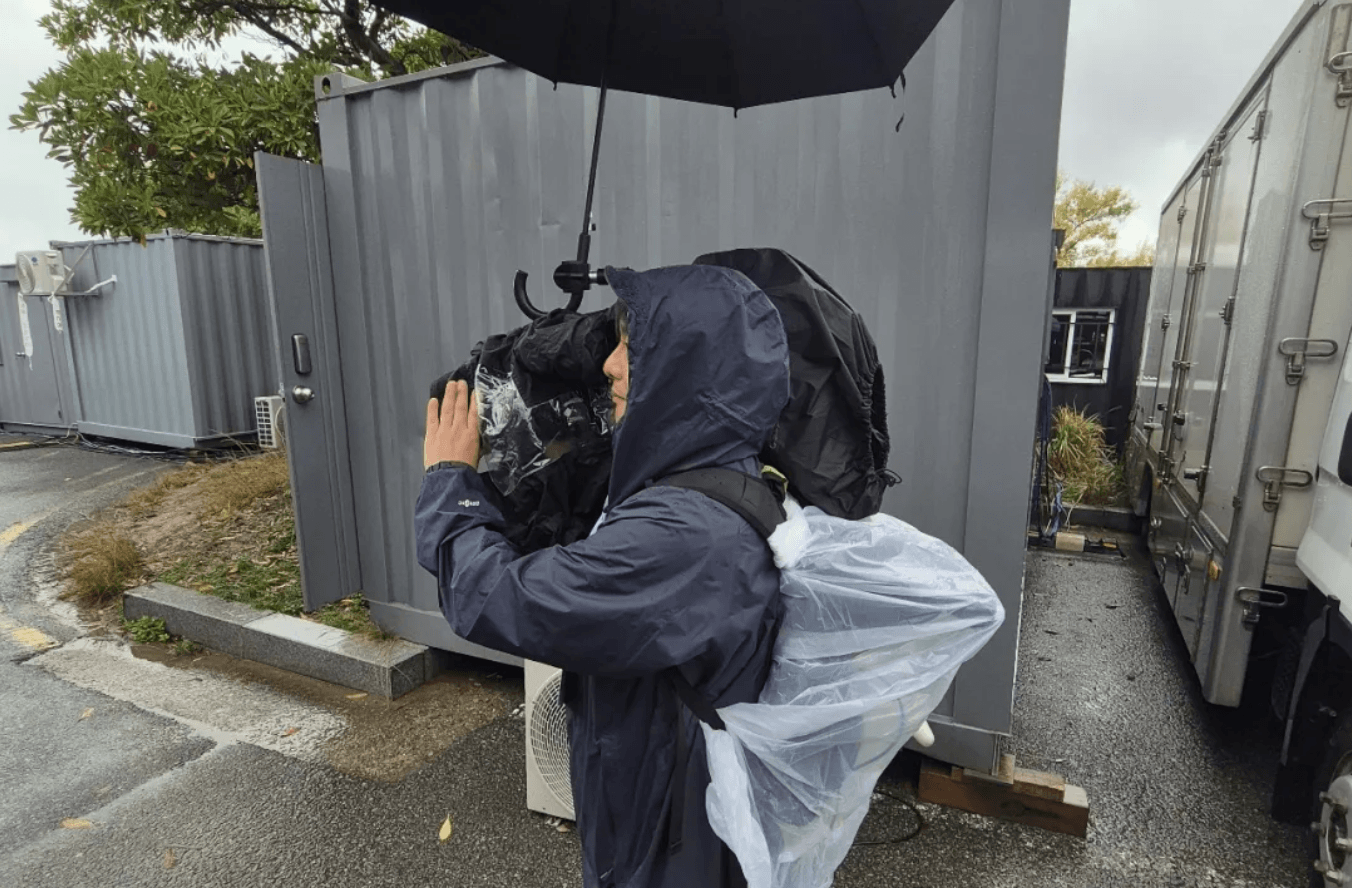
The production team deployed two backpack-mounted TVU One units, each assigned to a different type of camera position. One carried the drone feed, delivering aerial views of the course, its fairway layout and the flow of play. The other moved with the action on the ground, covering on-course play and catching players for interviews after their rounds.
Because the crew worked from backpacks, the production relied less on fixed cabling and large OB trucks, and camera positions could shift quickly as play moved across the course. On the receiving end, TVU Transceivers decoded the incoming feeds and passed them into the production system for switching and graphics.
Both units added Starlink to the available cellular networks and combined the links using TVU’s ISX multi-link bonding technology, which distributes video data across every available connection and reassembles it at the receiver. When the cellular network became congested or unstable, the satellite link provided additional bandwidth headroom. HEVC (H.265) encoding helped preserve picture quality within limited bandwidth, while forward error correction (FEC) reduced the effect of packet loss when link conditions shifted.
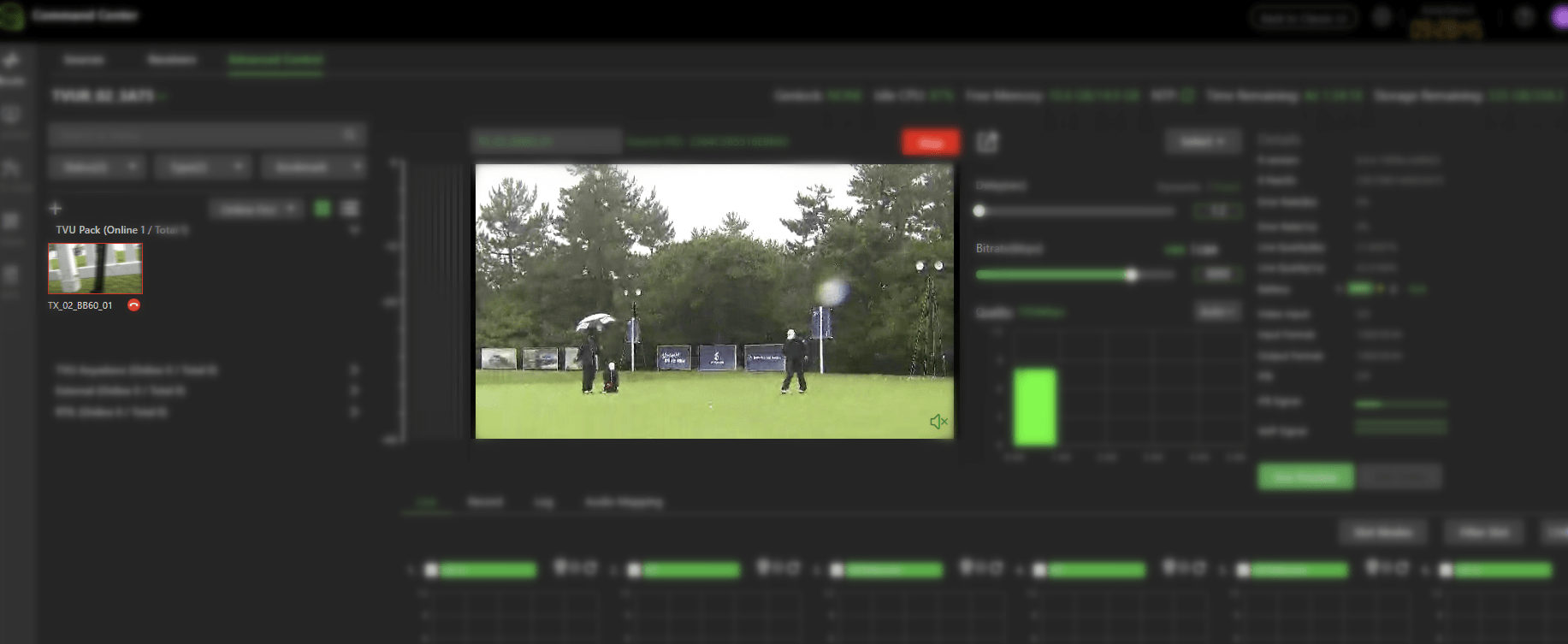
From the production facility, engineers used TVU Command Center to monitor each unit’s link status, bitrate and video remotely, adjusting parameters such as bitrate and latency as conditions on the course changed. TVU TimeLock set both transmitters to the same latency so the aerial and ground feeds arrived in sync, allowing the director to make frame-accurate cuts between the two angles.
News organizations and live production teams already use TVU One’s Starlink integration for outdoor work where terrestrial networks are limited, giving crews in the field another way to stay connected. At Pine Beach, multi-link bonding and satellite access gave the production a more dependable transmission path on a course with thin network coverage and constantly moving camera positions.
