TVU Networks and vivo unveil TVU Pocket, a phone-sized broadcast device combining dual active 5G, dual Wi-Fi, TVU’s ISX bonding technology and direct cloud production connectivity....
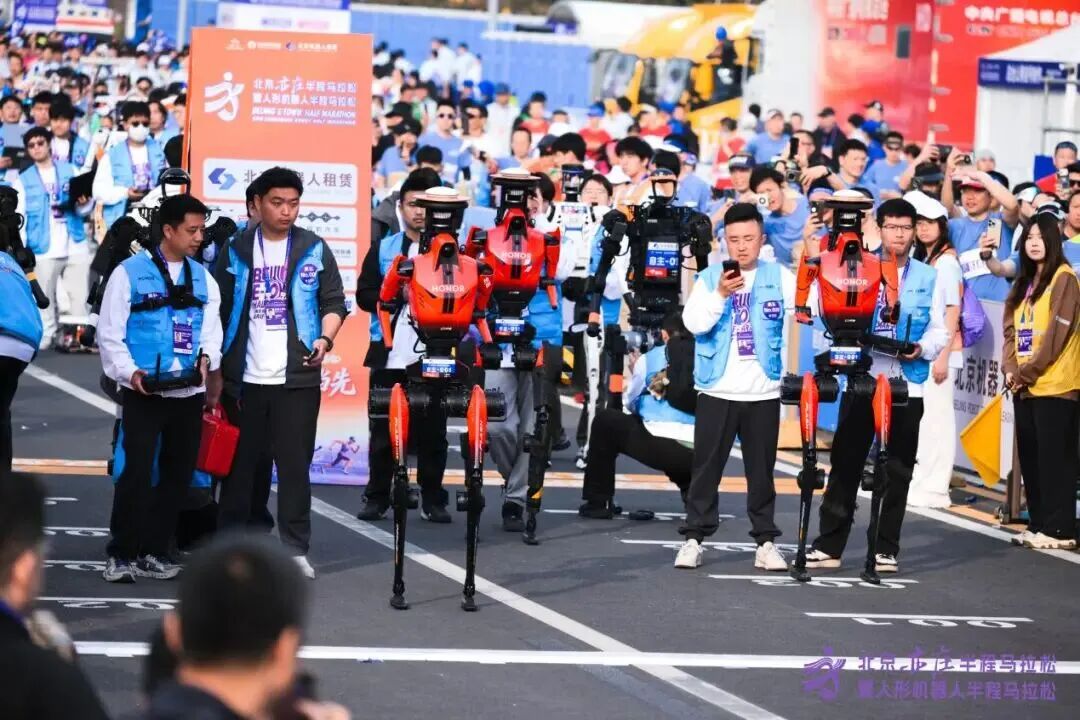
TVU One Powers World’s First Live Broadcast of Humanoid Robot Half-Marathon for China Media Group
TVU One backpacks, powered by next-generation IS+ multi-link bonding, enabled China Media Group to deliver seamless live coverage of the world's first half-marathon where 12,000 human runners and nearly 100 humanoid robot teams shared the same course.
View Related ProductsAt 7:30 a.m. on April 19, 2026, the starting gun fired at the shores of Tongming Lake, launching the 2026 Beijing Yizhuang Half-Marathon and Humanoid Robot Half-Marathon. Twelve thousand human runners from around the world lined up alongside nearly 100 teams of humanoid robots, sharing the same 21.0975-kilometer course in a one-of-a-kind contest where sport met cutting-edge technology head-on. It was the first half-marathon anywhere in the world to allow human and robotic competitors to register together, run on the same course, and start at the same time — setting a new precedent for how athletic competition and frontier technology can move forward in lockstep.
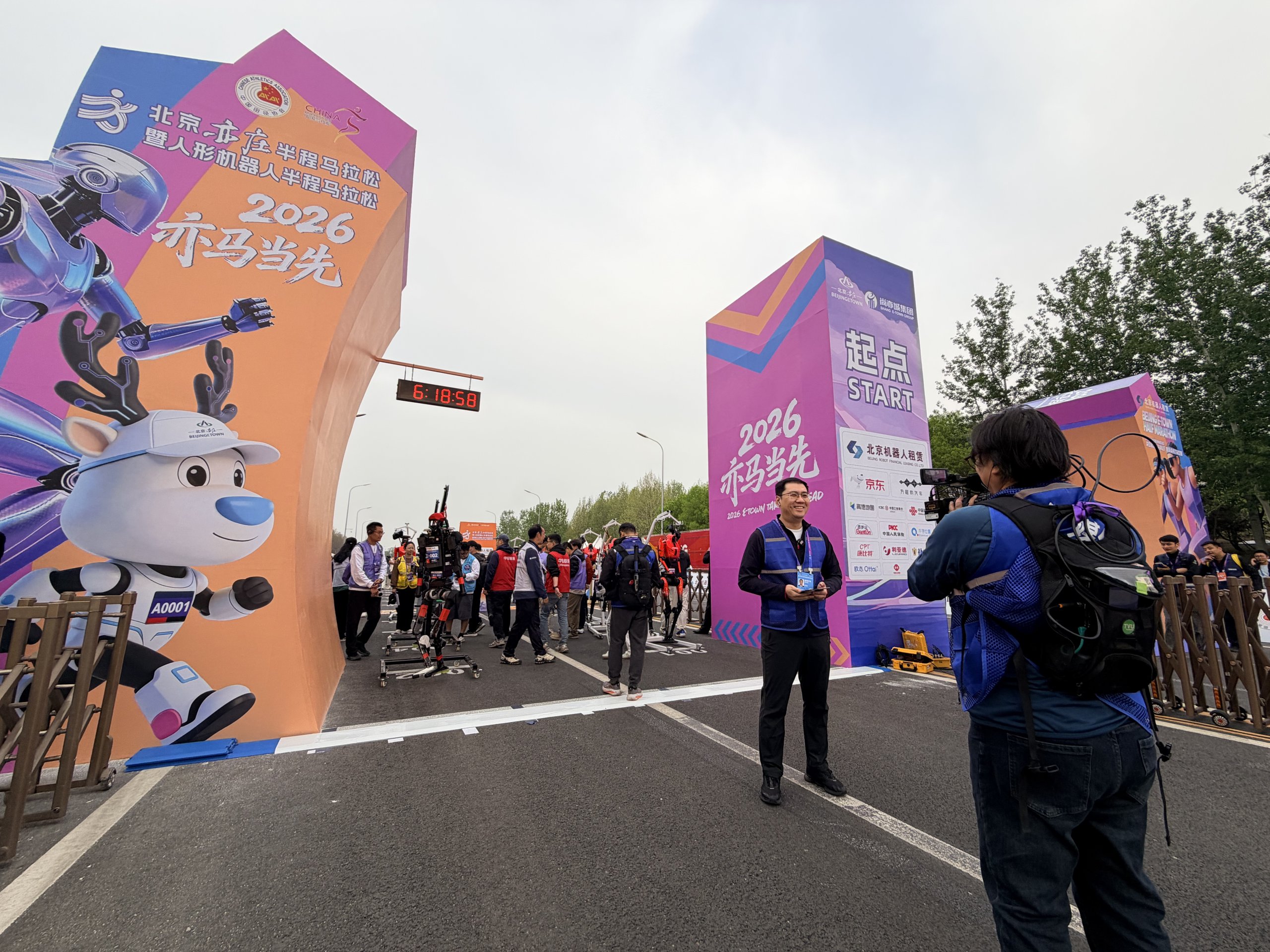
China Media Group (CMG), the country’s national broadcaster, delivered comprehensive multi-platform coverage of the event, streaming the race live on CCTV News and Beijing Bureau channels to audiences across China and beyond. Building on TVU’s proven track record across major marathon broadcasts in recent years, TVU One was once again selected as the core transmission solution, entrusted with the critical task of getting every frame from the course back to the production gallery.
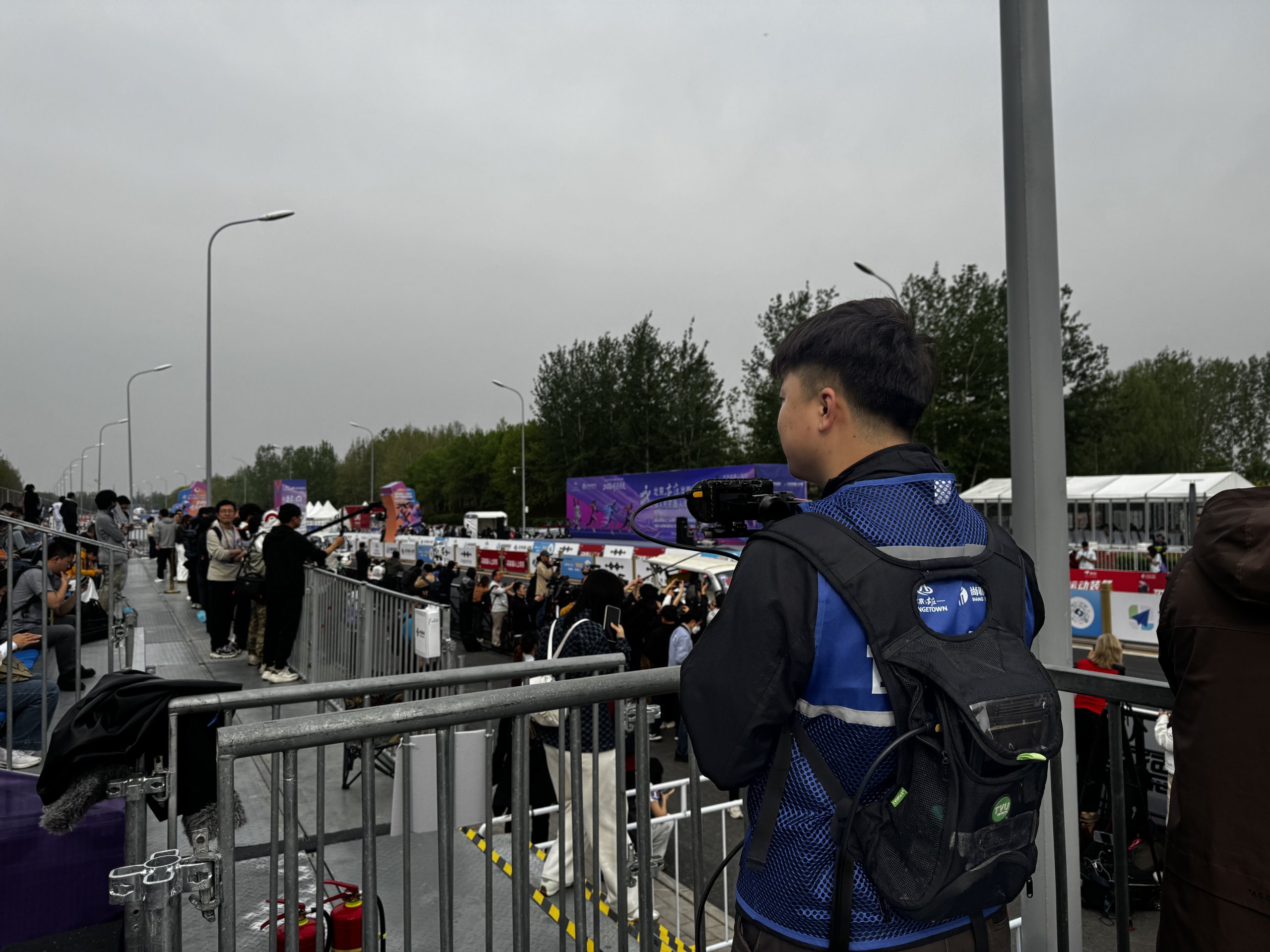
The course itself was anything but ordinary. Designed to showcase the city’s character, it wove through major urban arteries, segments of an international motor-racing circuit, and the natural scenery of local parks — a visually rich but technically demanding route. The start and finish zones, packed with spectators and saturated with wireless traffic, posed an especially tough challenge for live signal transmission. To leave nothing to chance, the broadcast crew deployed multiple TVU One units across every critical position: the starting line, motorcycle-mounted tracking shots, key turning points along the course, the dedicated robot lane, and the finish-line sprint. Together, these units formed a multi-layered signal acquisition network that delivered seamless coverage from the human runners’ first stride to the final robot crossing the line.
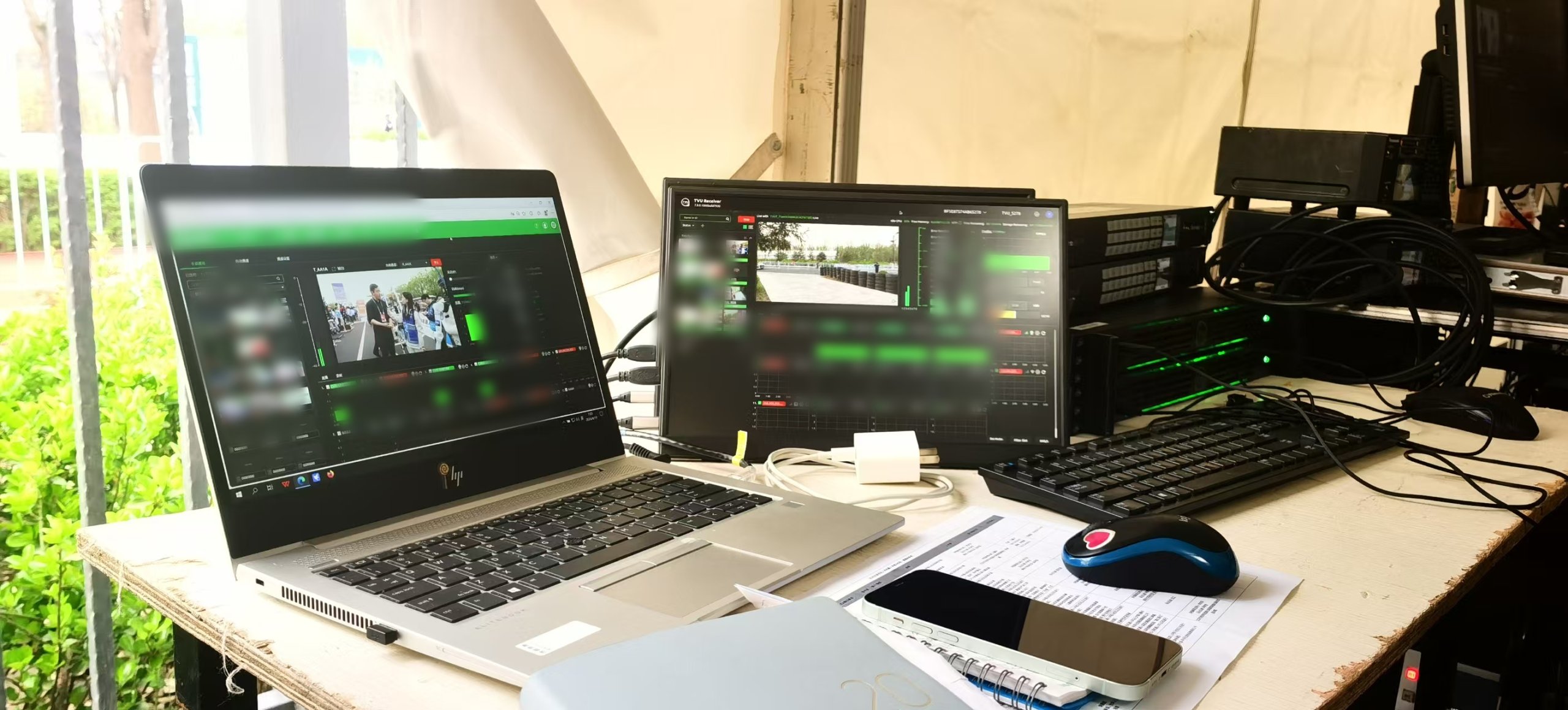
At the heart of this performance is TVU One’s next-generation IS+ multi-link bonding technology. IS+ aggregates 5G connections from multiple carriers along with Wi-Fi and wired links, putting every available channel to work in parallel to combine throughput and deliver high aggregate bandwidth. Along the more demanding stretches of the course — Nanhaizi Park and the Tongming Lake area in particular, where RF conditions are notoriously unpredictable — IS+ used intelligent algorithms to monitor link conditions in real time and adapt transmission strategy on the fly, maintaining broadcast stability even as network performance fluctuated. Combined with HEVC intelligent VBR encoding, Forward Error Correction (FEC), and low-latency transport, TVU One reliably delivered high-quality video and audio under heavy load and congested RF conditions, providing a rock-solid backbone for the broadcast.
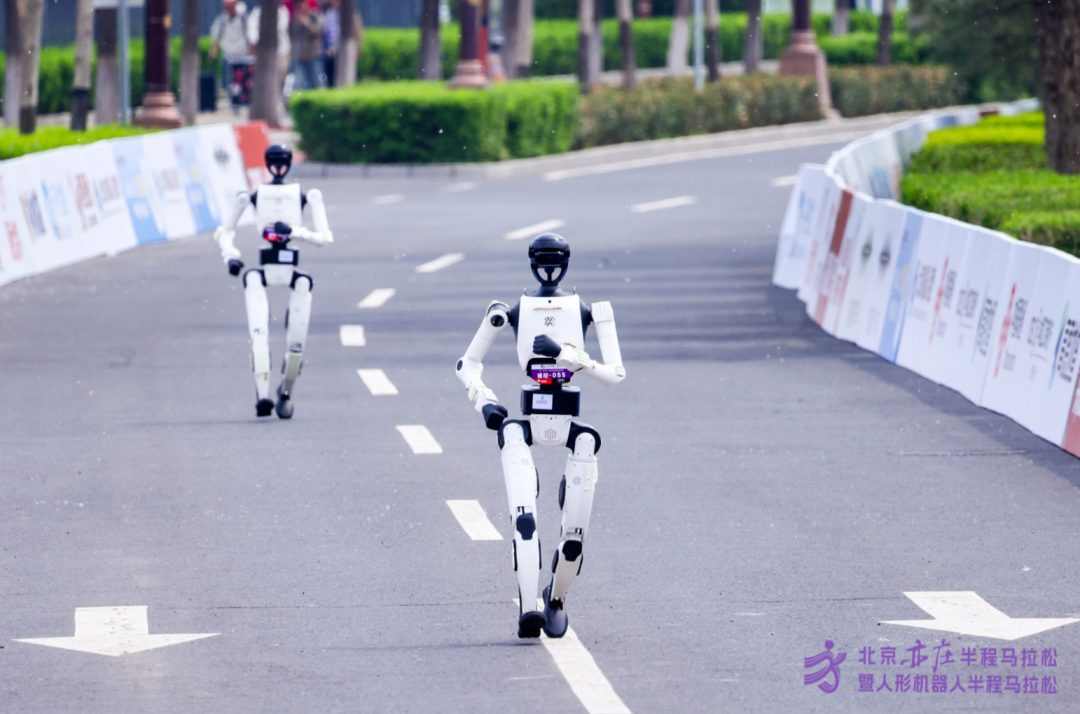
From the fierce competition among elite human runners to the mechanical gait of robot challengers, from the spectacle of the mass start to the glory of the awards ceremony, every moment reached audiences across China and around the world in full quality and in real time, carried over TVU’s transmission links. For TVU, it was more than a successful technical delivery — it was another proof point of what the company brings to the next generation of innovative sports broadcasting.
