14 units deployed to deliver uninterrupted multi-camera broadcast across 10.5 km of beach, urban, and maritime terrain in Sanya, China...
TVU One Powers Thailand’s First-Ever Multi-View Live Broadcast of “Iron Buffalo Battle 2026”
Thai PBS deploys TVU One across five rounds to deliver the country’s only multi-camera, viewer-selectable live coverage of the iconic Iron Buffalo speed competition
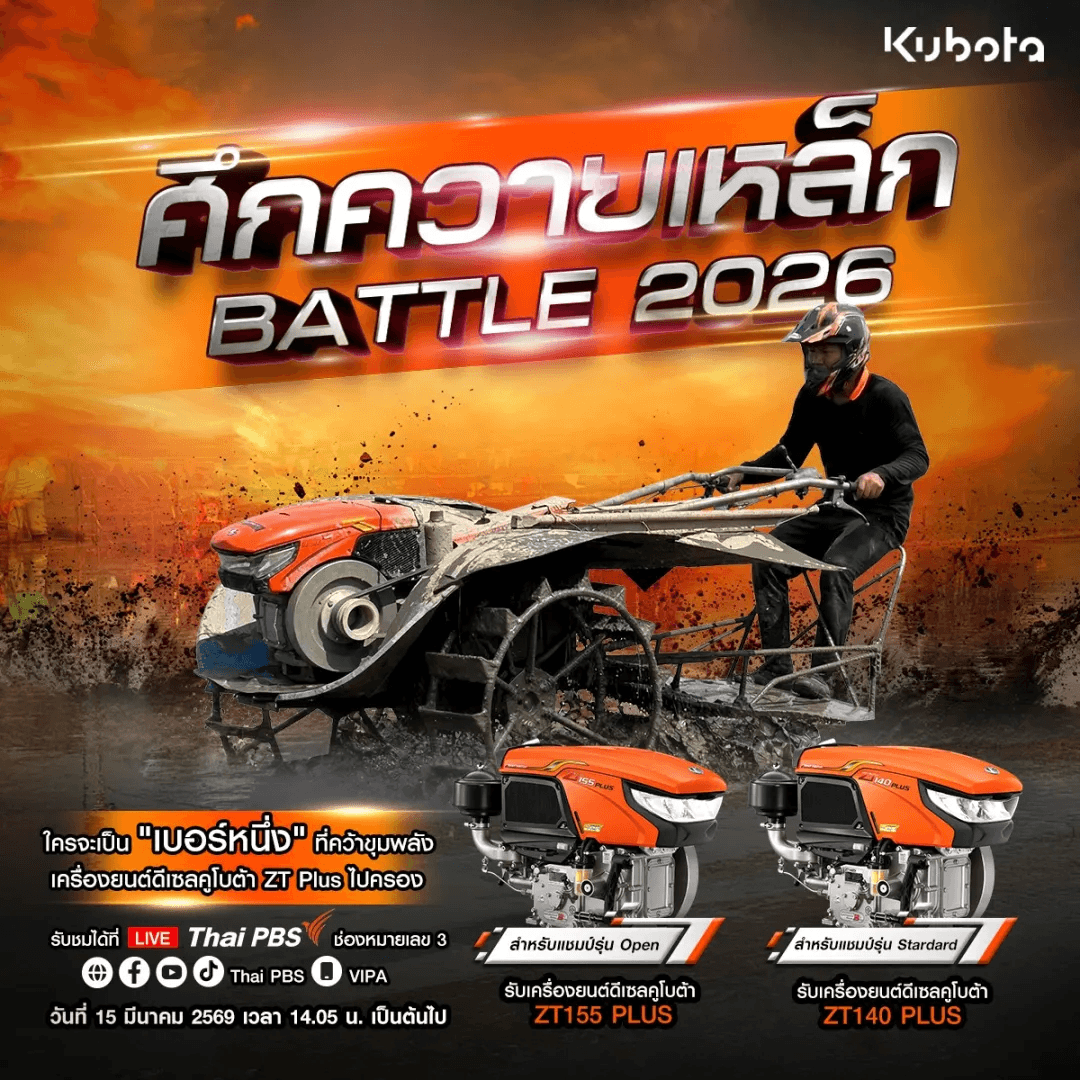
View Related ProductsBANGKOK, Thailand — February 15, 2026 — Thai PBS, Thailand’s national public broadcasting service, launched full live coverage of “Thai PBS Iron Buffalo Battle 2026” (ศึกควายเหล็ก Battle 2026), a five-round speed competition held every Sunday across different provinces — from Kamphaeng Phet and Phitsanulok to Tak and Phetchabun — culminating in the grand final on March 15. As the only broadcaster covering the event nationwide, Thai PBS committed significant production resources to the series, with TVU One mobile transmitters serving as the backbone of its live transmission infrastructure.
From Rice Paddies to the Racetrack
The “Iron Buffalo” (ควายเหล็ก, literally “iron water buffalo”) is an iconic symbol of Thailand’s agricultural mechanization — the local name for walk-behind power tillers that replaced water buffalo as the backbone of rice farming over half a century ago. Today, heavily modified versions of these machines have been transformed into high-speed racing vehicles, competing in adrenaline-fueled events that celebrate the country’s rural heritage and draw large crowds from across the nation.
Thai PBS has broadcast the Iron Buffalo Battle for years as part of its commitment to preserving and promoting local cultural content. But the production demands are significant: sprawling race courses, widely distributed camera positions, and machines reaching high speeds mean that any signal instability risks viewers missing critical moments.
A First for Thai PBS: Viewer-Selectable Multi-View Streaming
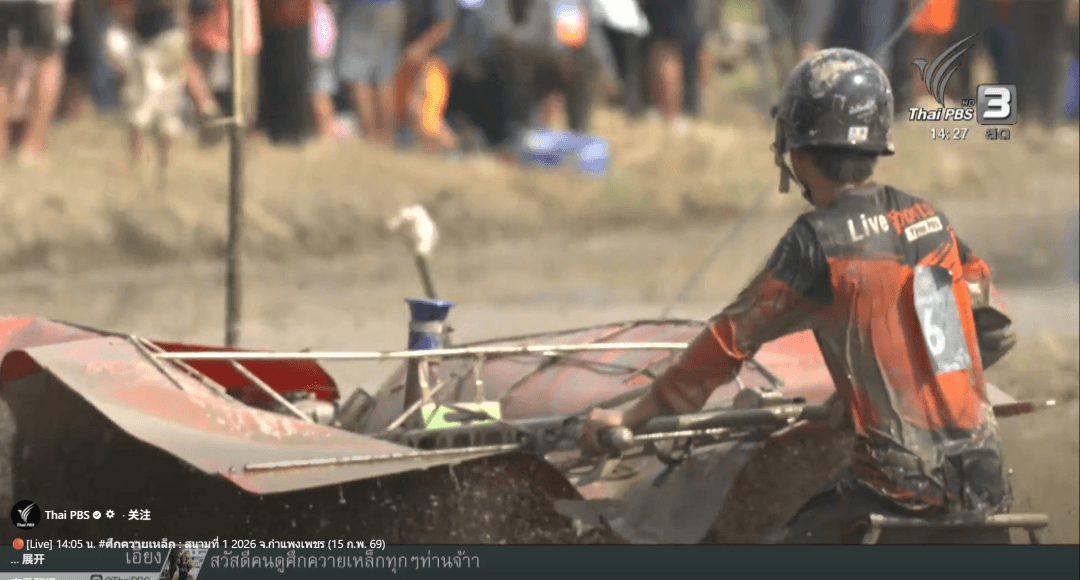
The standout innovation of the 2026 season was Thai PBS’s launch of a multi-view live streaming experience on its VIPA.me platform. For the first time, viewers could choose their own camera angle in real time — switching between drone aerials for a full-course overview and ground-level tracking shots alongside the racing machines — rather than watching a single director-controlled feed.
Delivering this experience required every camera feed to be transmitted to the production backend simultaneously, with consistent stability and synchronization — a technical bar far higher than conventional single-feed live broadcasts.
TVU One: Ground-to-Air Coverage Across Five Provinces
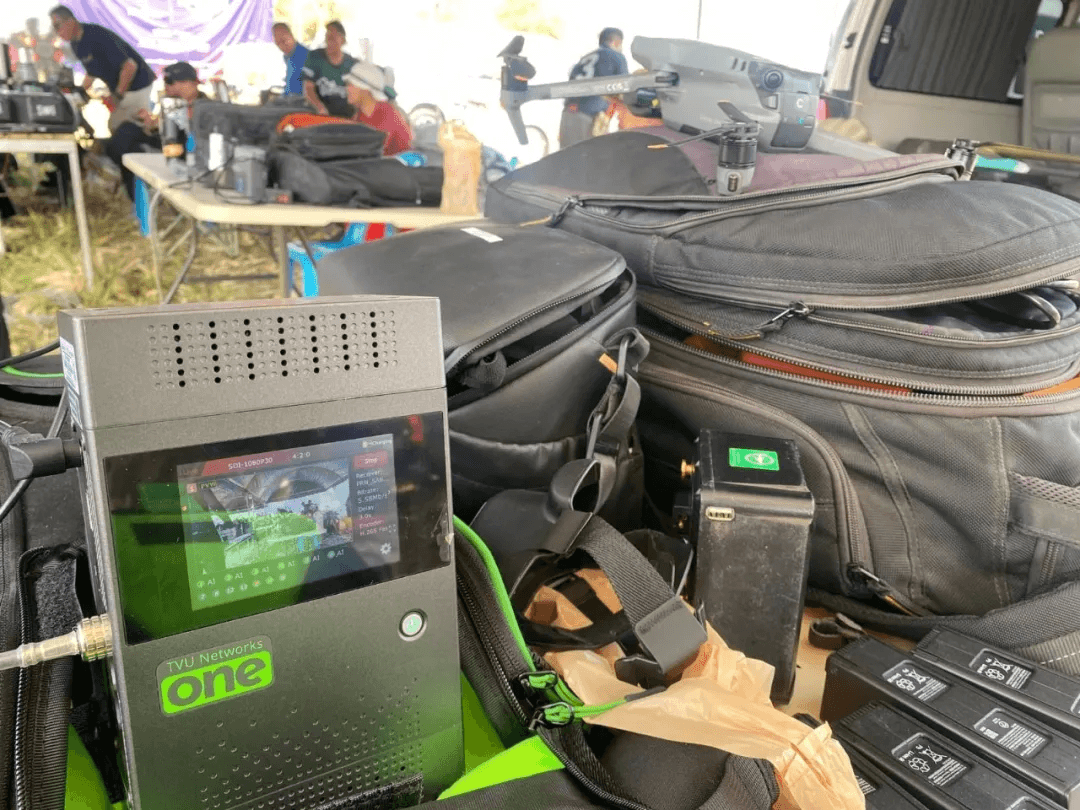
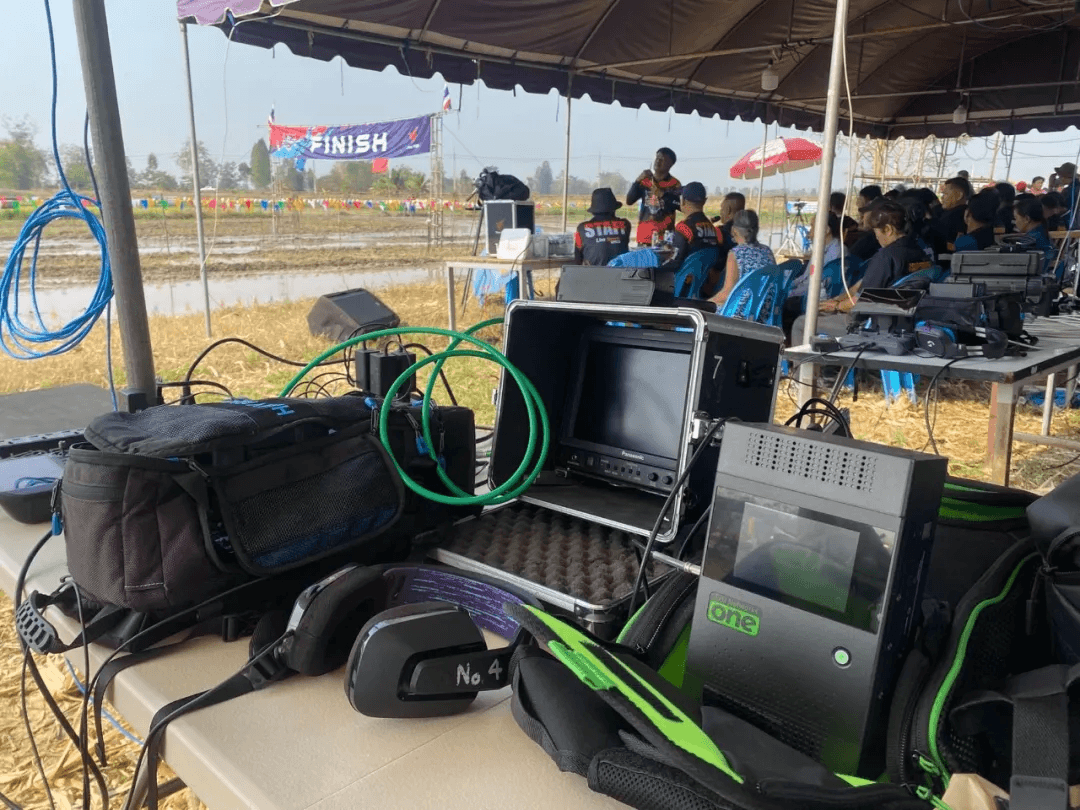
To meet this challenge, Thai PBS selected TVU One as the primary signal acquisition and transmission solution for the entire multi-view production. Every camera position — from drone aerials to multiple ground units along the racecourse — relied on TVU One for real-time signal delivery.
Camera crews carried TVU One units as they traveled with the competition across provinces each week. The backpack-style form factor allowed operators to reposition quickly in open-air race environments. On the transmission side, TVU One’s ISX inverse multiplexing technology aggregated up to 12 cellular connections (4G/5G) simultaneously, combined with HEVC smart VBR encoding and forward error correction (FEC). Even in crowded, spectrum-congested outdoor venues, every camera feed was delivered to the production backend with stable, low-latency quality — ensuring that viewers switching angles on the VIPA.me platform experienced no buffering or signal loss.
Five Rounds, Zero Interruptions — and a Deeper Partnership Ahead
Across five rounds and multiple rural provinces, the broadcast ran without a single interruption. The multi-view experience drew enthusiastic viewer response, validating Thai PBS’s investment in interactive live production.
Building on TVU One’s proven performance, Thai PBS has entered into broader discussions with TVU Networks to deploy cloud-based production solutions across its news gathering and entertainment divisions — moving toward a “mobile acquisition + cloud collaboration” workflow designed to make its overall production infrastructure lighter and more agile.
