DAZN Italia turned FIFA World Cup 2026 into one continuous story, from stadiums in Canada, the US and Mexico to a flagship store in central Milan and a neighborhood sports bar, with Time4Stream and TVU Networks....
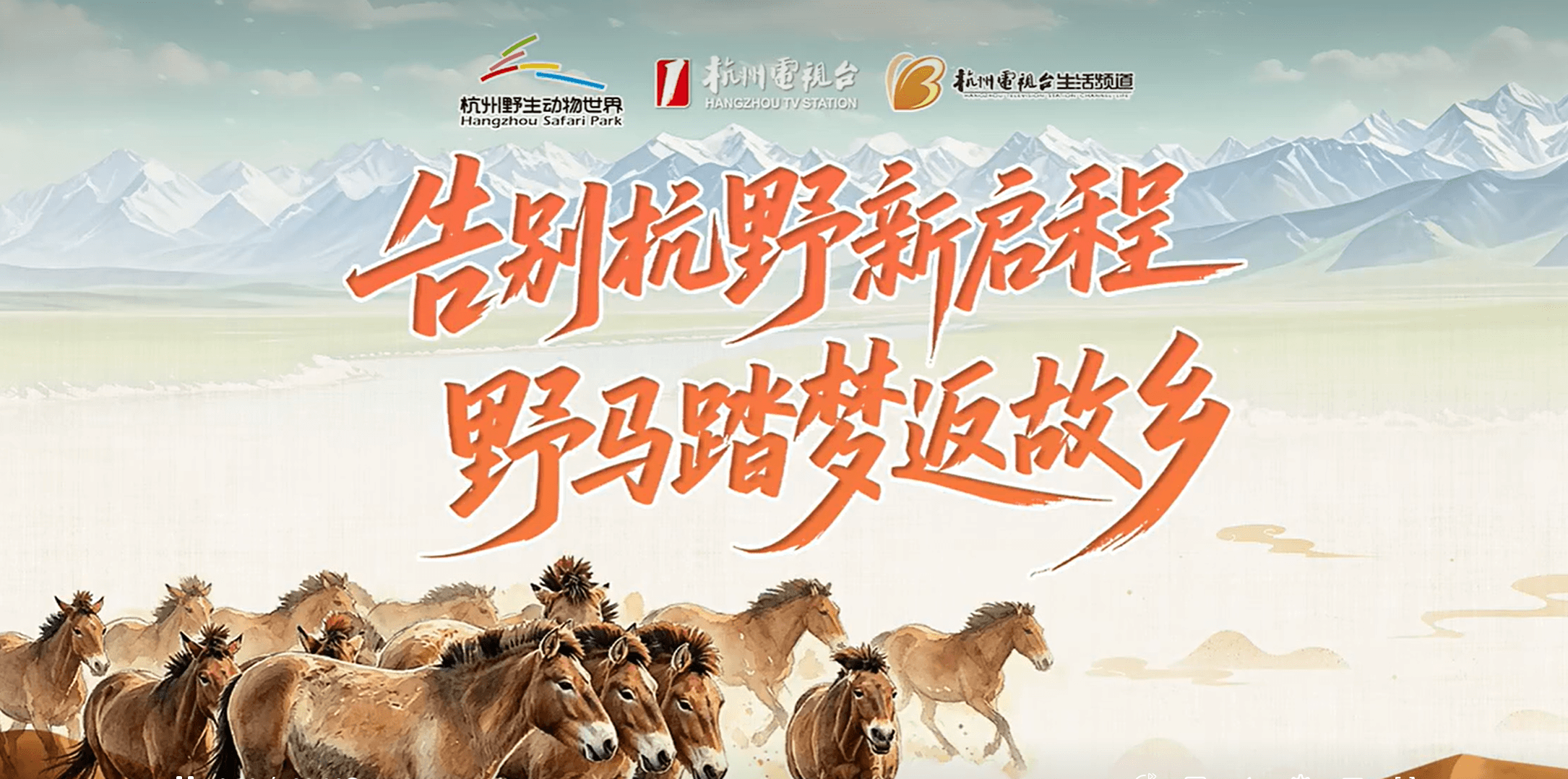
Hangzhou TV Goes Live Across 3,800 km with TVU One as Przewalski’s Horses Head West
Eight endangered horses bred in eastern China traveled to Xinjiang to strengthen the gene pool in their species’ native range, and TVU One kept the live feed running the whole way.
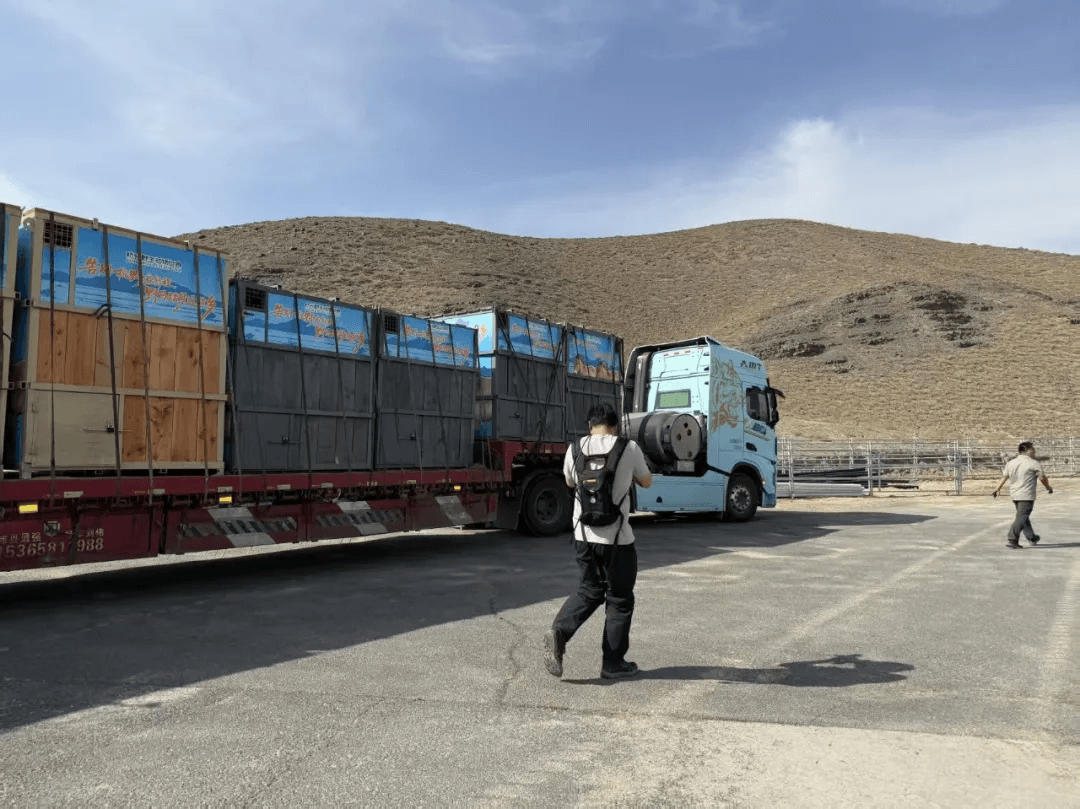
View Related ProductsOn September 18, eight Przewalski’s horses bred and raised at Hangzhou Safari Park were loaded onto trucks and set off for Tianshan Wildlife Park in Xinjiang. Over four days and three nights, the convoy covered more than 3,800 km in over 70 hours. It passed through Zhejiang, Anhui, Henan, Shaanxi, Gansu, Ningxia and Xinjiang before arriving safely on September 21.
Hangzhou TV followed the entire journey in a special live program, whose title translates roughly as Farewell to Hangzhou: Wild Horses Head Home. Several reporters covered the key moments from different angles, including loading and departure, supply stops, health checks on the horses, and the handover on arrival. TVU One handled live signal capture and transmission throughout.
About the Horses
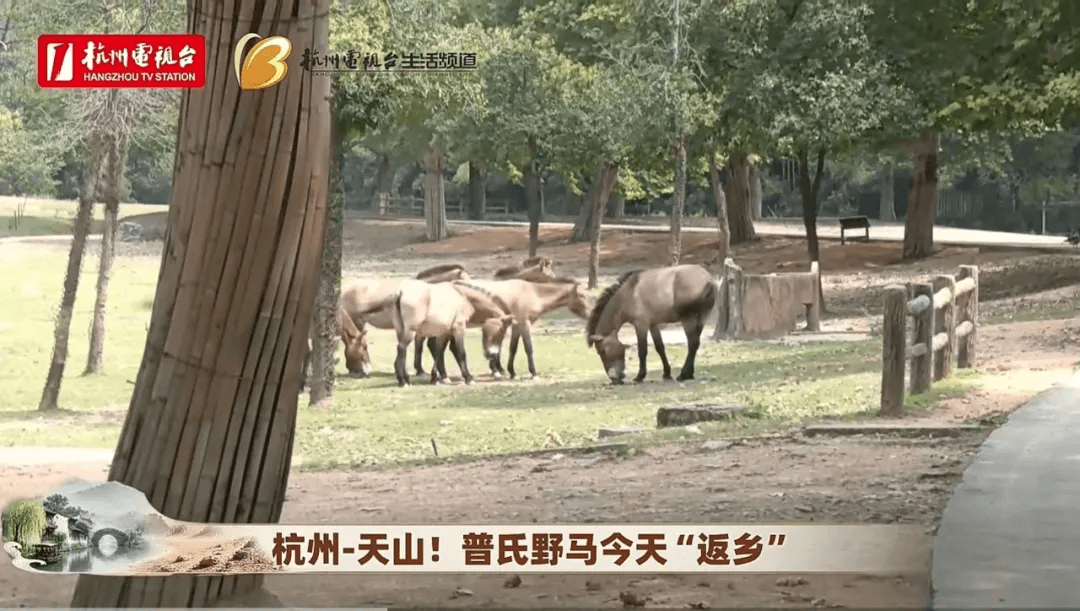
The Przewalski’s horse is often described as the last wild horse species on Earth. It is listed as Endangered by the IUCN and has the highest level of state protection in China. In 2001, Hangzhou Safari Park brought in four horses from Gansu Province. After 25 years of breeding, the park now has a healthy, well-established ex-situ population. The eight horses making the trip are four males and four females aged one to six, and they will bring new bloodlines to the population in Xinjiang.
The Challenge: Live Coverage on the Move
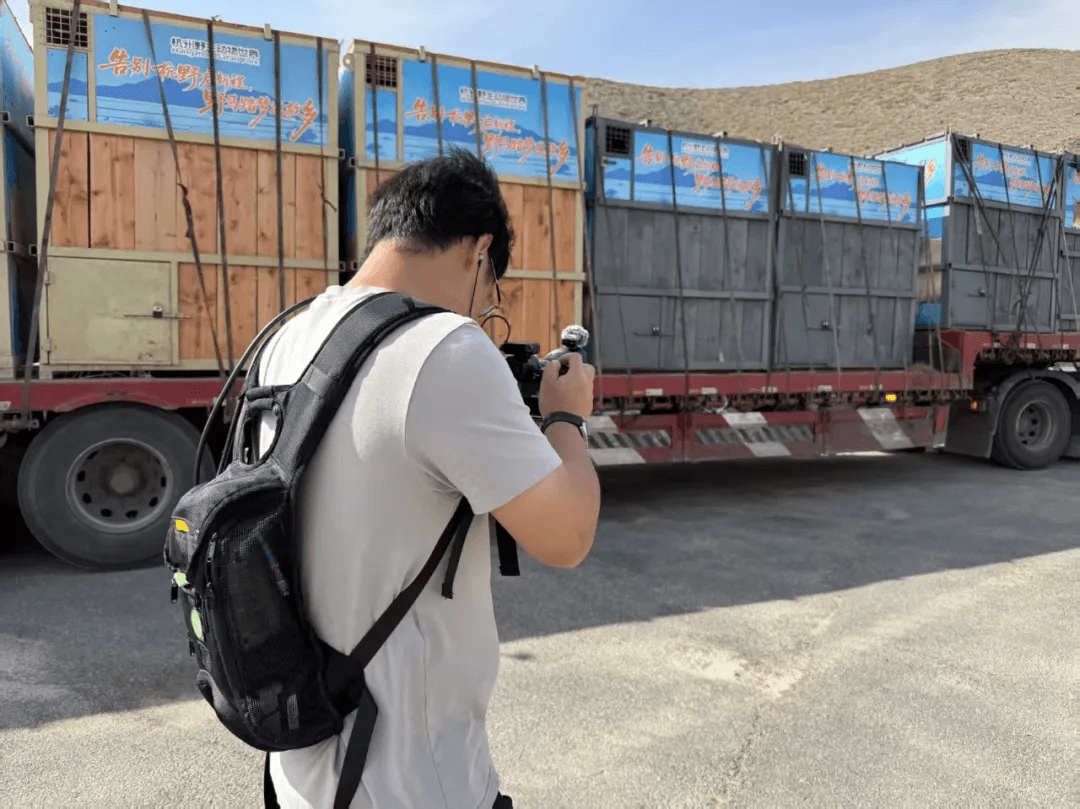
Coverage began as the horses were crated, lifted by crane and loaded. Reporters moved constantly between the enclosures, the loading area and the trucks, and repositioned as events unfolded. Once the convoy hit the road, the setting shifted from a single site to thousands of kilometers of highway. Cell handoffs were frequent, and network coverage and bandwidth varied from region to region.
Stops at service areas, keepers’ checks on the horses and the arrival handover could not be scheduled precisely, and none of these moments could be restaged. The live setup had to keep pace with reporters and vehicles on the move and get the signal back to Hangzhou reliably, whatever the network conditions.
The Solution: TVU One
TVU One traveled west with the crew and the convoy. It sent reporter stand-ups, footage from the road and camera feeds from the arrival back to Hangzhou TV’s studio in real time. The unit bonds multiple 5G/4G and Wi-Fi connections at once. TVU’s next-generation ISX aggregation technology continuously assesses each link’s bandwidth, packet loss and stability, and distributes video data across the links accordingly.
When the truck was moving at speed, switching cell towers, or when one connection weakened, TVU One kept transmitting over the remaining links. This limited the impact of any single network’s fluctuations. HEVC encoding and forward error correction (FEC) let it adapt to available bandwidth in real time, which kept the picture at broadcast quality and the stream uninterrupted.
As a backpack unit, TVU One needs no fixed network connection or satellite truck, so it moved easily with reporters from one location to the next. TVU One transmitted every live shot of the trip, from departure in Hangzhou to the service stops along the way and the arrival in Xinjiang.
Making Conservation Visible
At Tianshan Wildlife Park, the horses will go through quarantine, genetic testing and adaptation training. After that, they will gradually join breeding programs and eventually be released into the wild. The project goes beyond moving animals. It is an important step in using ex-situ populations to support the species in its native range and to improve the genetic diversity of wild populations.
With TVU One, Hangzhou TV brought the full 3,800 km journey to viewers, from departure to arrival. Audiences saw eight horses on a long road trip, and they also saw how conservation work moves forward step by step. Public understanding of that work is what builds broader support for protecting endangered species.
